HI - IM CHANNON
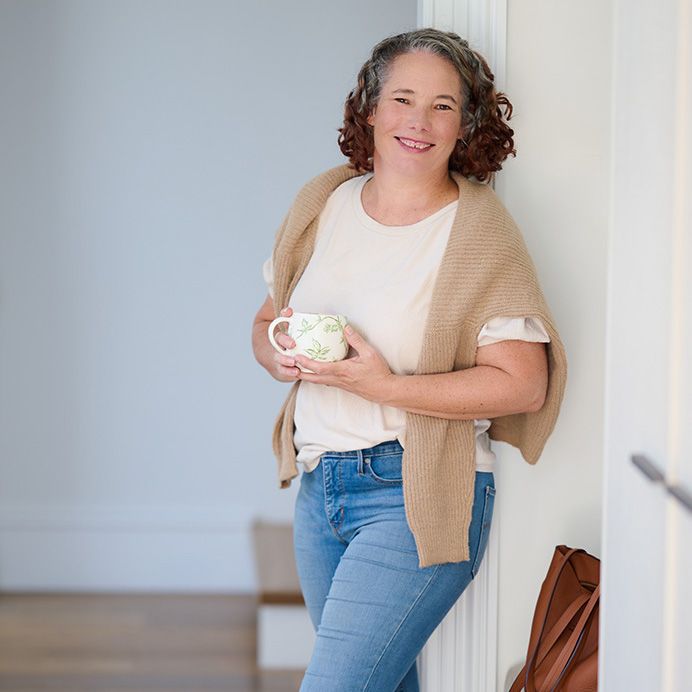
I capture genuine moments with intention and care, creating photographs that feel as meaningful decades from now as they do today. Drawn to beautiful light, authentic connection, and timeless storytelling, I document each wedding as a unique reflection of the people at its heart. And yes, I need a new photo, my hair has grown out and I am now fully embracing my grey hair.
WEDDING PHOTOGRAPHY TRENDS
This is not a complaint.
It is more of an observation, and I recently saw another photographer have the same thoughts. I have been carrying around for a while, and perhaps writing it down is my way of figuring out exactly how I feel about it.
Over the past few years, I have noticed something changing in wedding photography. Not in the cameras. Not in the technology. Not even in the way weddings themselves are celebrated.
The change has been in what we value.
Somewhere along the way, it feels as though wedding photography stopped being entirely about preserving memories and started becoming, at least in part, about creating content.
The wedding day became a backdrop for reels.
The photographs became content assets.
The moments became opportunities.
And I am not entirely convinced that this is a good thing.
• • •
When I first started photographing weddings, nobody talked about creating content.
Couples hired photographers because they wanted someone they could trust to document one of the most important days of their lives.
The focus was simple.
Be present.
Pay attention.
Notice things other people miss.
Create photographs that would still matter twenty years from now.
That was the job.
Today, I often see photographers arriving with phones attached to cameras, content creators filming the photographers, behind-the-scenes reels being made in real time, and social media plans being executed before the ceremony has even begun.
I understand why.
Social media is important.
Marketing matters.
Businesses need visibility.
But I sometimes wonder whether we have become so busy documenting ourselves that we are forgetting to fully document the people who hired us.
• • •
One of the questions I keep coming back to is this:
Who is the wedding day actually for?
The answer feels obvious.
It belongs to the couple.
Not the photographer.
Not the videographer.
Not the content creator.
Not the algorithm.
Yet increasingly, it feels as though there are moments during a wedding day where attention is being divided.
A photographer is thinking about the next reel.
Someone else is filming the photographer.
A content creator is trying to capture a behind-the-scenes moment.
Everyone is documenting everyone.
And occasionally I wonder whether we have forgotten to simply be present.
• • •
I recently photographed a wedding in foul weather.
Rain came and went throughout the day, it was windy and icy.
The easy option would have been to fight the conditions.
Instead, we embraced them.
The bride's veil danced in the wind.
Rain softened the landscape.
A rainbow appeared between passing showers.
The photographs became more interesting because of the weather, not despite it.
What struck me afterward was that none of those moments would have translated into content particularly well.
They weren't trendy.
They weren't designed for social media.
They weren't engineered for engagement.
They were simply beautiful moments that existed because everyone present was focused on the experience rather than the performance of the experience.
And perhaps that is what I miss most.
And yet, in the midst of all that, the content creator the couple hired stepped right into the most important shot of the day - the first kiss.
• • •
I have also found myself thinking more about the word "authentic."
It is a word photographers use constantly.
Authentic moments.
Authentic storytelling.
Authentic connection.
But authenticity is a difficult thing.
The moment we start manufacturing authenticity, it ceases to be authentic at all.
The moment a couple is asked to repeat something because it will look better on video, it becomes performance.
The moment a photographer begins thinking about how their own workday will appear online, attention shifts.
Maybe only slightly.
Maybe only for a moment.
But it shifts nonetheless.
I think authenticity requires presence.
And presence is becoming increasingly rare.
• • •
This may sound strange coming from a photographer, but I have never been particularly interested in trends.
I have watched editing styles come and go.
I have watched heavily desaturated photographs become fashionable.
I have watched brown tones become fashionable.
I have lived through the Oompa Loompa phase of overly tanned skin tones and weird greens
I have watched deliberately crooked horizons become fashionable. Truth be told I did try it, but it felt so contrived and now I will stick to my core beliefs.
I have watched photographs edited to feel nostalgic for decades the couple themselves never experienced.
And every time, I find myself asking the same question.
Will this still feel right in twenty years?
Because twenty years is the timeframe that matters.
Not next month.
Not next season.
Not the next algorithm update.
Twenty years.
Thirty years.
Fifty years.
When a couple opens their wedding album decades from now, I do not want them thinking about photography trends.
I want them thinking about each other.
• • •
Perhaps that is why I still believe so strongly in albums.
I cherish my own beautiful handmade wedding album.
I know what it feels like to sit down and turn pages rather than swipe a screen.
I have also lost years of personal photographs due to a hard drive failure.
That experience changes your perspective.
It reminds you that photographs are not really files.
They are memories.
And memories deserve a more permanent home than a folder buried somewhere in the cloud.
The wedding industry talks endlessly about content.
I find myself caring far more about preservation.
• • •
The older I get, the more I think the real value of a wedding photographer has very little to do with cameras.
It has to do with judgement.
Knowing when to step forward.
Knowing when to step back.
Knowing where to stand before a moment happens.
Knowing how to calm nerves.
Knowing how to manage timelines.
Knowing how to make people feel comfortable enough to be themselves.
Those things rarely show up on a pricing guide.
But they are often the difference between photographs that are simply attractive and photographs that genuinely mean something.
• • •
• • •
So this is where I find myself.
I still love photography.
I still love weddings.
I still love sharing my work.
But I find myself increasingly drawn toward things that feel slower.
More intentional.
Less performative.
I want to create photographs that feel as relevant in thirty years as they do today.
I want couples to remember how their wedding felt, not how it was marketed.
I want albums that are passed down.
I want photographs that outlive trends.
Maybe that makes me old-fashioned.
I am perfectly comfortable with that.
After all, when the music fades, the flowers wilt, the dress is packed away, and the guests have gone home, what remains is not the content.
It is the memory.
And that, I think, is what wedding photography was always supposed to be about.
If this resonates - lets chat, fill in the form below with a brief message telling me you'd love a wedding album